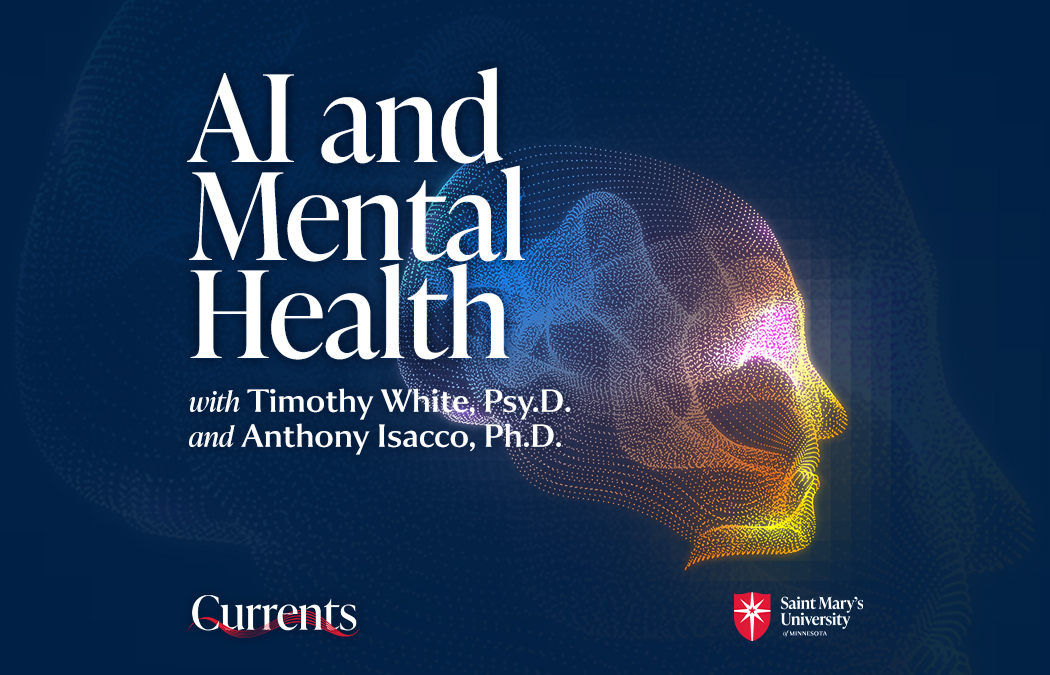
Since OpenAI’s debut of ChatGPT in 2022, the use of generative AI platforms has skyrocketed. It’s being used to enhance productivity and streamline processes, for research and writing, or even to create funny images or videos. From the average user to Fortune 500 companies, the possibilities — and applications — seem endless. And in the mental health industry, the possibility of AI’s ability to move the needle in addressing accessibility gaps to therapy, provider shortages, or even reducing documentation time are notable.
But these systems aren’t perfect. This past September, CBS and NPR News reported on testimony to Congress from parents who expressed concern about the dangers of AI technology after their teenagers took their own lives following interactions with artificial intelligence chatbots.
So what are the risks for the average person using AI for mental-health advice or support? Should there be rules to safeguard how these models function within the mental health landscape, or when being utilized by someone showing signs of mental health crises? And what role can clinicians, educators, and professional organizations play in guiding safe use of AI for mental health?
About the Experts:
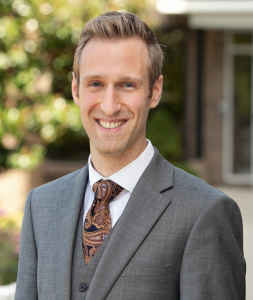
Tim White, Psy.D., serves as the field placement director and an assistant professor for Saint Mary’s University’s M.S. in Clinical Psychology program. He has provided therapy and assessment in community mental health, Catholic K-8 schools, and counseling for seminarians. He provided therapy as a Primary Therapist at the Saint John Vianney Center, an inpatient psychiatric facility for priests and religious. Other career and volunteer interests have included farming, formation as a Catholic seminarian, and martial arts instruction.
Dr. White’s education has focused on an integrated understanding of philosophy, theology, and psychology. He received his Doctor of Clinical Psychology and Master of Science degrees from Divine Mercy University. He also holds a Master of Arts degree (M.A.) in Theology from St. Meinrad Seminary and School of Theology and a Bachelor of Arts (B.A.) in Humanities from The Pontifical College Josephinum.
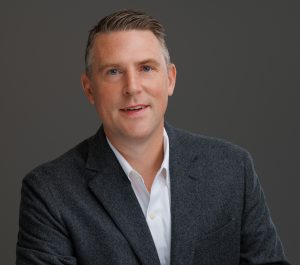
Anthony Isacco, Ph.D., is the program director, professor, and head of clinical research in the M.S. in Clinical Psychology program at Saint Mary’s University. He is a licensed psychologist and is the principal of Puritan Psychological Services, a small private practice focused on helping clergy, seminarians, and women religious live healthy, holy, and happy lives in their vocations. Dr. Isacco is a generalist, with areas of expertise in the psychology of men and masculinity, fatherhood, psychological assessment, and religious/spiritual integration in psychology. A Fellow of the St. John Paul II Foundation, he also sits on the Advisory Board of Saint Paul Seminary, Diocese of Pittsburgh and the Formation Team of Saint Cyril and Methodius Byzantine Seminary, Eparchy of Pittsburgh. He is a graduate of Franciscan University of Steubenville (B.A.), Boston College (M.A.), and Loyola University of Chicago (Ph.D.).